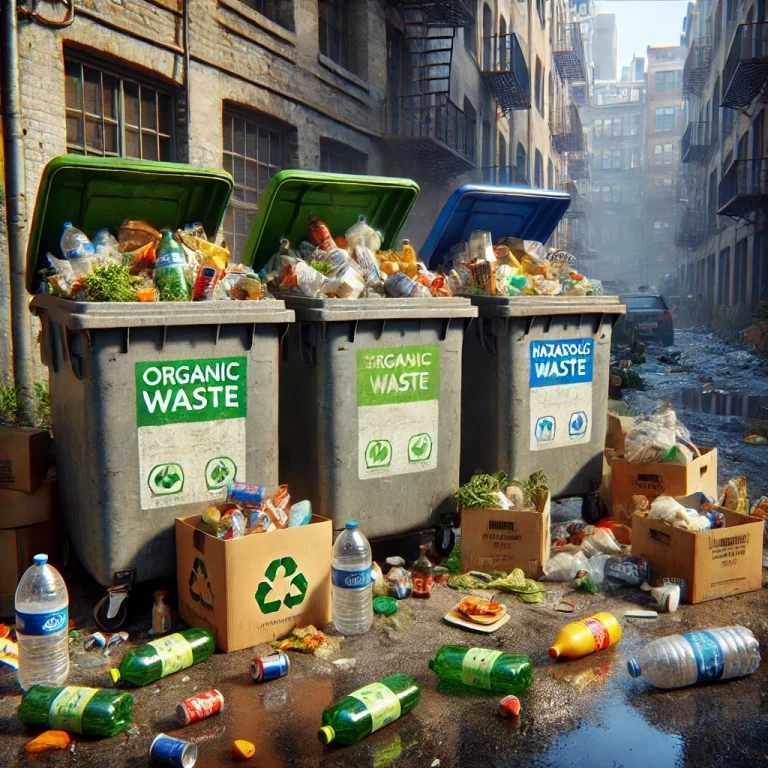
Did you know that New Zealand discards over 17.5 million tonnes of waste annually?
You heard it right ! Whether you’re running a small café in Wellington or managing a large manufacturing plant in Auckland, proper waste management isn’t just about keeping things tidy – it’s crucial for your bottom line and our environment.
Let us walk you through everything you need to know about business waste collection in Aotearoa.
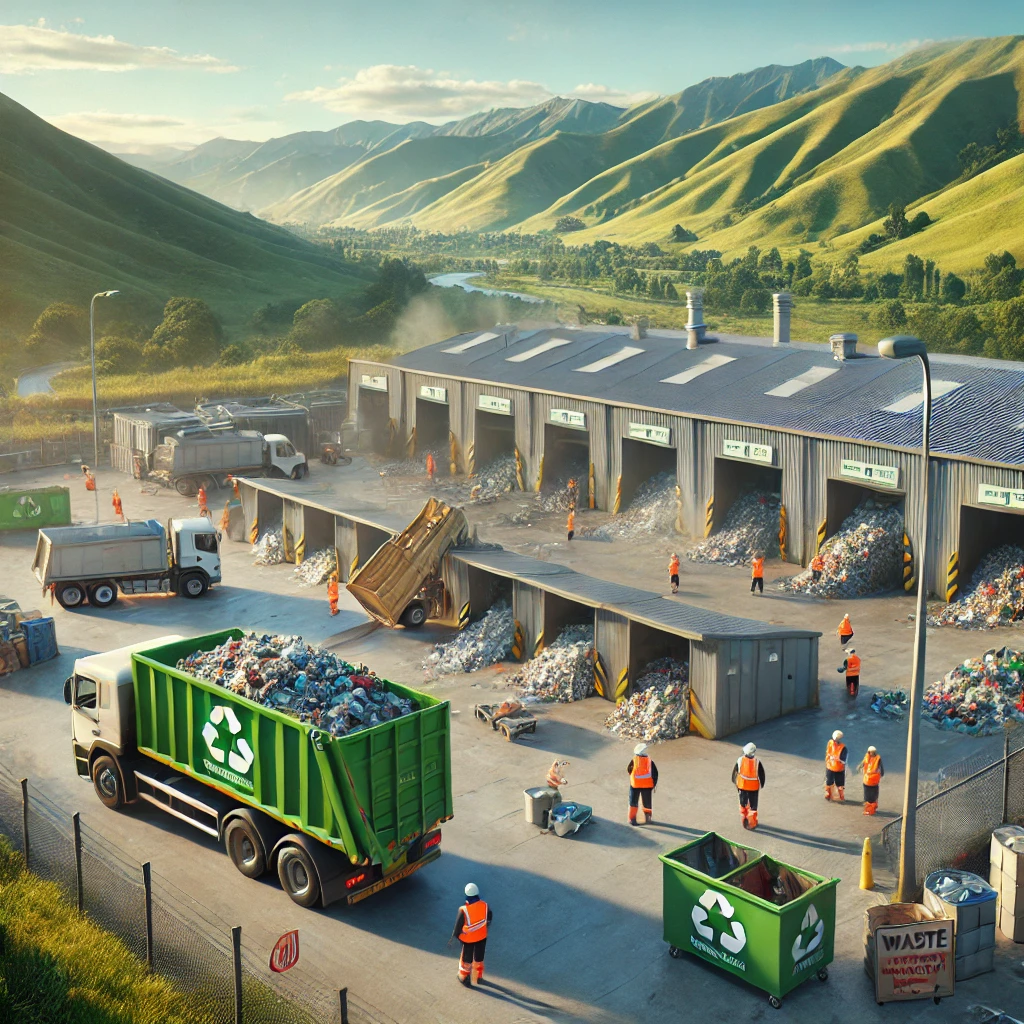
Understanding Commercial Waste Categories in NZ
At Waste Guide, we’ve spent years helping Kiwi businesses understand commercial waste disposal. Let’s break down the essential requirements you need to know for managing business waste in New Zealand.
Under the Waste Minimisation Act 2008, all commercial operations must maintain proper waste management practices.
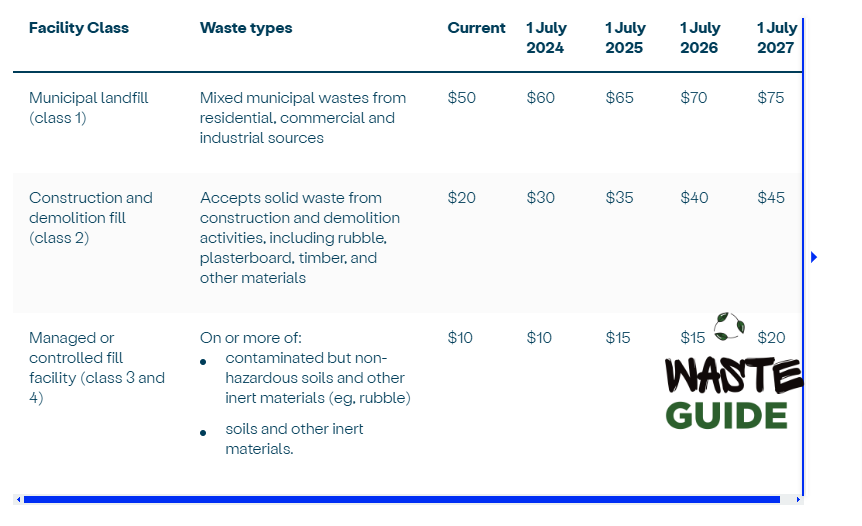
The key requirements include keeping detailed disposal records, paying the waste levy (currently $60 per tonne), and implementing reduction strategies where possible.
Through our experience, we’ve identified the most effective way to manage different waste streams:
General Waste: Should be no more than 20% of your total waste
Recyclables: Separate collection for paper, cardboard, plastic types 1-2, glass, and metals
Organic Waste: Dedicated bins for food and green waste
Hazardous Waste: Special disposal procedures for chemicals and electronics
Regional council requirements vary significantly. Auckland businesses need trade waste consent for commercial wastewater, while Canterbury has specific rules about construction waste. We recommend checking your local council’s regulations to avoid compliance issues.
One of our Wellington clients reduced their waste costs by 40% simply by implementing proper waste separation.
For businesses struggling with bin space, we suggest scheduling more frequent collections rather than using larger bins.
Here’s a valuable tip: most councils offer free waste audits for businesses. These assessments can identify significant cost-saving opportunities. We’ve also found that regular staff training sessions are crucial for maintaining effective waste management practices.
Remember, good waste management isn’t just about compliance – it’s about contributing to New Zealand’s environmental sustainability. If you’re finding these requirements overwhelming, that’s exactly why we’re here to help develop practical solutions for your business.
Skip Bin Solutions: Finding Your Perfect Match
If there’s one thing we’ve learned , it’s that choosing the right skip bin isn’t as straightforward as you might reckon. Let me tell you about the time I watched a café owner in Wellington try to squeeze a month’s worth of waste into a tiny 2-cubic-metre skip – yeah, nah, that didn’t end well!
Business Sizing Guide
- Cafés and Small Restaurants:
- 3-cubic-metre skip for general waste (handles about a week’s worth)
- Consider an additional 2-cubic-metre food waste bin
- Pro tip: Separate food waste to avoid those nasty summer smells!
Temporary vs Permanent Solutions
Here’s a real lesson from our mate in Hamilton – he thought temporary skips would save money, but ended up spending more!
When to Choose Permanent Skips:
- High-volume, consistent waste generation
- Regular need for waste disposal
- Want to avoid multiple delivery fees
- Need convenient, always-available solution
Industry-Specific Configurations
Manufacturing Business Needs:
- Split bins configuration:
- 4 cubic metres for metal waste
- 2-3 cubic metres for general waste
- Separate recycling sections to avoid rejection
Loading Guidelines & Weight Limits
Key Weight Information:
- Standard limit: 2 tonnes for a 6-cubic-metre bin
- General waste estimate: 250kg per cubic metre
- Construction materials: Only fill halfway when handling concrete
Expert Loading Tips:
- Spread heavy materials across the bottom
- Distribute weight evenly
- Don’t concentrate heavy items in one spot
Strategic Placement Tips
Best Practices:
- Choose back of property locations
- Ensure flat surface placement
- Maintain easy collection vehicle access
- Avoid placing near building entrances or high-traffic areas
Additional Pro Tips
- For shop fit-outs and renovations: Always go one size larger than you think you need
- Seasonal considerations: Adjust bin size based on busy periods
- Weight management: Check limits before loading heavy materials
- Cost efficiency: Proper waste sorting saves money long-term
Remember, your requirements might change with the seasons – especially if you’re in hospitality or retail. Give these tips a go, and you’ll be sweet as with your skip bin setup.
Just remember to keep an eye on what’s going in there – proper waste sorting isn’t just good for the environment, it’ll save you a few dollars too!
Smart Cost Management in Commercial Waste Disposal
We’ve been in the waste management game for quite a while now, and let us tell you – understanding the real costs can be a bit of a mission! Last year, we helped a retail chain in Auckland sort their waste contracts, and mate, you wouldn’t believe the savings they found just by knowing what to look for.
Current Pricing Structures Across NZ
Metropolitan Areas (Auckland, Wellington, Christchurch):
- General waste: $180-250 per tonne
- Mixed recycling: $120-160 per tonne
- Green waste: $85-120 per tonne
Regional Areas:
- General waste: $200-280 per tonne (higher due to transport costs)
- Mixed recycling: $140-180 per tonne
- Green waste: $95-130 per tonne
Hidden Costs to Watch For
Crikey, these sneaky charges can really add up! Here’s what we’ve spotted:
Common Hidden Fees:
- Bin rental charges (often buried in fine print)
- Distance-based fuel levies
- Weekend service premiums
- Contamination penalties
- Collection point accessibility fees
- Weight limit excess charges
Smart Contract Negotiation
We learned this the hard way with a client in Wellington – always get multiple quotes!
Key Negotiation Points:
- Lock in rates for 12-24 months
- Bundle services for better rates
- Request transparent fee structures
- Negotiate flexible collection schedules
- Ask about volume discounts
- Discuss peak season adjustments
Cost Comparison Strategies
Here’s a dead simple way we help businesses compare services:
Essential Comparison Factors:
- Base collection rates
- Bin rental fees
- Minimum term requirements
- Service frequency options
- Additional service costs
- Contract break fees
Budget-Friendly Alternatives
Sweet as! Here are some money-saving options we’ve seen work well:
Practical Solutions:
- Waste compactors for high-volume businesses
- Shared services with neighboring businesses
- Recycling programs to reduce general waste
- On-site composting for food waste
- Cardboard balers for retail operations
- Flexible collection schedules
Remember, the cheapest quote isn’t always the best value. We once saw a business in Hamilton go with the lowest bidder, only to get stung with so many extra charges they ended up paying more than the premium quote!
Here’s our top tip: spend time understanding your waste profile before signing any contracts. Are you generating mostly recyclables? Organic waste? Mixed general waste? Different providers specialize in different waste streams, and matching your needs to their strengths can save you heaps.
Keep an eye on seasonal changes too. We’ve found many businesses could save 15-20% by adjusting their service frequency based on busy and quiet periods. And don’t be shy about asking for a better deal – most providers would rather negotiate than lose your business.
All up, good waste management doesn’t have to cost the earth. Give these strategies a go, and you might find yourself saving enough for a few Friday arvo drinks with the team!
Sustainable Waste Solutions for Modern Businesses
The key here is starting small and building up.
Implementing Effective Recycling Systems
- Basic Setup Needs:
- Clearly labeled bins (with pictures!)
- Dedicated collection points
- Staff training program
- Pro tip: Place recycling bins next to general waste to make it dead easy
Waste Reduction Strategies
- Quick Wins:
- Switch to digital documentation
- Use reusable packaging
- Partner with suppliers who take back packaging
- Implement double-sided printing
Green Waste Solutions
- Food Businesses:
- On-site composting systems
- Worm farms for smaller volumes
- Local farm partnerships
- Office Spaces:
- Plant waste collection
- Coffee ground recycling
- Food scrap collection
Resource Recovery
- Sort and sell recyclable materials
- Donate usable items to local charities
- Partner with recycling specialists
- Consider waste-to-energy options
Circular Economy Tips
- Choose suppliers with take-back schemes
- Lease equipment instead of buying
- Repair and maintain rather than replace
- Share resources with neighboring businesses
Remember, going green isn’t just choice for the planet – it’s sweet for your bottom line too! Start with these basics and watch your waste costs drop while your green cred grows.
Choosing Your Waste Management Partner
We’ve seen heaps of businesses rush into waste contracts, only to regret it later. Here’s what we’ve learned about picking the right partner in New Zealand.
Key Selection Factors
- Provider Track Record:
- Years in operation
- Local service coverage
- Customer testimonials
- Fleet reliability
- Financial Stability:
- Insurance coverage
- Equipment maintenance records
- Business longevity
Service Agreements
- Must-Have Elements:
- Collection frequency guarantees
- Response times for issues
- Holiday period coverage
- Emergency service provisions
- Pro tip: Check the fine print about bin replacement and repairs
Compliance Requirements
- Essential Certifications:
- Resource Management Act compliance
- Health and Safety certification
- EPA permits
- Local council approvals
Monitoring Performance
- Key Metrics:
- On-time collection rates
- Complaint resolution time
- Contamination reporting
- Invoice accuracy
- Pro tip: Request monthly performance reports
Contract Negotiation
- Smart Moves:
- Start with a trial period
- Include service guarantees
- Negotiate flexible terms
- Add performance incentives
Remember, a good waste partner is like a solid mate – they’ll have your back when things go pear-shaped. Take time to check their track record and chat with their current clients. Sweet as waste management starts with choosing the right team to handle it!
Future-Proofing Your Waste Management Strategy
After working with countless Kiwi businesses, we’ve learned that staying ahead of the waste game is crucial. Here’s what’s on the horizon and how to prep for it.
Emerging Technologies
- Smart Solutions:
- IoT bin sensors for fill-level monitoring
- Route optimization software
- Automated sorting systems
- Waste-to-energy conversion
- Pro tip: Start with basic sensors – they’re choice for optimizing collection schedules
Regulatory Changes Coming
- Key Updates:
- Zero waste initiatives by 2030
- Increased recycling requirements
- Stricter contamination rules
- Mandatory reporting systems
- Pro tip: Get ahead now to avoid the rush
Digital Solutions
- Modern Tools:
- Real-time tracking apps
- QR code waste scanning
- Automated reporting dashboards
- Cloud-based management systems
Sustainable Innovations
- Game-Changers:
- Biodegradable packaging options
- On-site waste processing
- Circular economy platforms
- Resource recovery technology
Cost Reduction Strategies
- Long-term Savings:
- Investment in compactors
- Multi-stream recycling systems
- Staff training programs
- Supplier partnerships
Remember, future-proofing isn’t about jumping on every new bandwagon – it’s about making smart choices that’ll serve you well down the track. Start small, test what works, and build from there. Sweet as!
Commercial waste disposal in NZ — your questions answered
How much does commercial waste collection cost in New Zealand?
It depends on volume, waste type and where you’re based, but here’s the rough lay of the land for 2026.
In metro centres (Auckland, Wellington, Christchurch), expect $180–$250 per tonne for general waste, $120–$160 per tonne for mixed recycling, and $85–$120 per tonne for green waste. Regional areas usually sit $20–$50 higher per tonne because of transport costs.
On top of the per-tonne rate, most providers charge a monthly bin rental ($30–$120 depending on size), a fuel levy, and sometimes contamination penalties if your recycling is mixed up. Always ask for an itemised quote so you can see the real number.
What’s the difference between general waste, recycling and trade waste?
Three different things and they’re easy to confuse:
- General waste is the everyday rubbish that ends up at a transfer station or landfill — non-recyclable packaging, broken bits, mixed materials.
- Recycling is the clean, sorted streams — paper, cardboard, glass, plastics 1 and 2, metals — that go to a materials recovery facility.
- Trade waste is liquid commercial waste that goes into the wastewater network (think: cafe grease traps, mechanic workshop wash-down water, hairdresser chemicals). Trade waste is regulated separately by your local council and usually needs a consent.
If you’re a typical office, retailer or cafe, you’ll deal with the first two daily and the third only if you generate regulated liquids.
Do I need trade waste consent for my business in New Zealand?
Probably yes, if your business generates anything other than normal sink/toilet wastewater. Trade waste consents are issued by your local council under the Local Government Act and the Resource Management Act, and the rules vary by region.
In Auckland, Watercare manages trade waste — you’ll need consent for things like food preparation wastewater (cafes, restaurants), industrial processes, vehicle washing, and chemical use. In Christchurch, the City Council handles trade waste consents directly. Wellington Water manages it for Wellington, Hutt, Porirua and Upper Hutt.
Penalties for discharging without consent are steep, so check with your local council before opening. Most councils run a free pre-application call.
What size skip bin does a small business need?
Quick rule of thumb for a typical week’s waste:
- Small cafe or office — a 3 cubic metre skip handles about a week’s worth of general waste. Add a separate 2 cubic metre food waste bin if you serve food.
- Small retail shop — 2–3 cubic metre is usually plenty unless you’ve got high packaging volume.
- Restaurant or busy hospo — 4 cubic metre general + a dedicated food waste bin, collected twice weekly in summer.
- Light manufacturing or trade workshop — split bin: 4 cubic metre for the main material type, 2–3 cubic metre for general waste.
When in doubt, go one size up. Paying for empty space costs less than paying for an emergency pickup when you’ve overflowed.
What is the NZ waste disposal levy and who pays it?
The waste disposal levy is a per-tonne charge on waste going to landfill, paid to the Ministry for the Environment. As of 2026 it’s $60 per tonne for Class 1 (municipal) landfills, with phased increases programmed through to 2027. Class 2–4 landfills (construction, industrial, cleanfill) sit at lower rates.
You don’t pay the levy directly — your waste collector pays it and passes it through to you on the invoice. That’s why your bill goes up when the levy goes up. Half the levy revenue goes back to councils for waste minimisation programmes.
Can I share a commercial waste bin with another business?
Yes, and it’s one of the simplest ways to cut your bill — especially if you’re in a shared building, a strip mall, or a business park. The two main options:
- Joint contract — both businesses sign a shared service agreement with one provider and split the invoice. Easiest if you both generate similar waste streams.
- Sub-bin arrangement — one business holds the contract, the other contributes a fixed monthly amount. Less paperwork, but make sure you agree on access and bin etiquette upfront.
Recycling is usually easier to share than general waste because contamination is less of a risk.
How do I reduce my commercial waste collection costs?
Five things that consistently save Kiwi businesses 15–40% on their waste bill:
- Sort properly — recycling streams cost $60–$150 less per tonne than general waste, so every kilo you divert pays off.
- Right-size your bin — half-empty pickups are money on fire. Ask your provider for fill-rate data and resize if you’re under 70% on average.
- Match collection frequency to demand — hospitality and retail often pay for the same weekly schedule year-round when summer needs twice-weekly and winter needs fortnightly. Negotiate seasonal frequency.
- Get three quotes annually — the waste market is competitive in metro NZ. Even if you stay with your current provider, an alternative quote gives you leverage.
- Run a quick free audit — most councils and several providers will do a free site audit. They usually find at least one quick win.
Who collects commercial rubbish in Auckland, Wellington and Christchurch?
Each metro has a mix of large national operators and smaller local ones. The biggest players nationally are Waste Management NZ, EnviroWaste, and Allied Waste, all of which service the three main centres. Regional and city-focused operators worth quoting include Smart Environmental (especially in Waikato and Bay of Plenty), Green Gorilla (Auckland-focused, construction-heavy), and a long list of independents.
The right provider depends less on size and more on whether they specialise in your waste profile. A cafe will get a better deal from someone strong on food waste; a building site needs an operator with hardfill expertise. Always get at least three quotes — the price spread across providers for the same job is often 30–50%.
Conclusion:
Getting your commercial waste disposal sorted doesn’t have to be a hassle. By understanding your options, choosing the right partners, and implementing smart strategies, you can significantly reduce both costs and environmental impact.
Ready to transform your business waste management?
Start with assessing your current waste streams and exploring the solutions we’ve outlined.
Remember, in today’s business environment, good waste management isn’t just about compliance – it’s about competitive advantage!